Prefer listening? Play the audio narration of this blog post below.
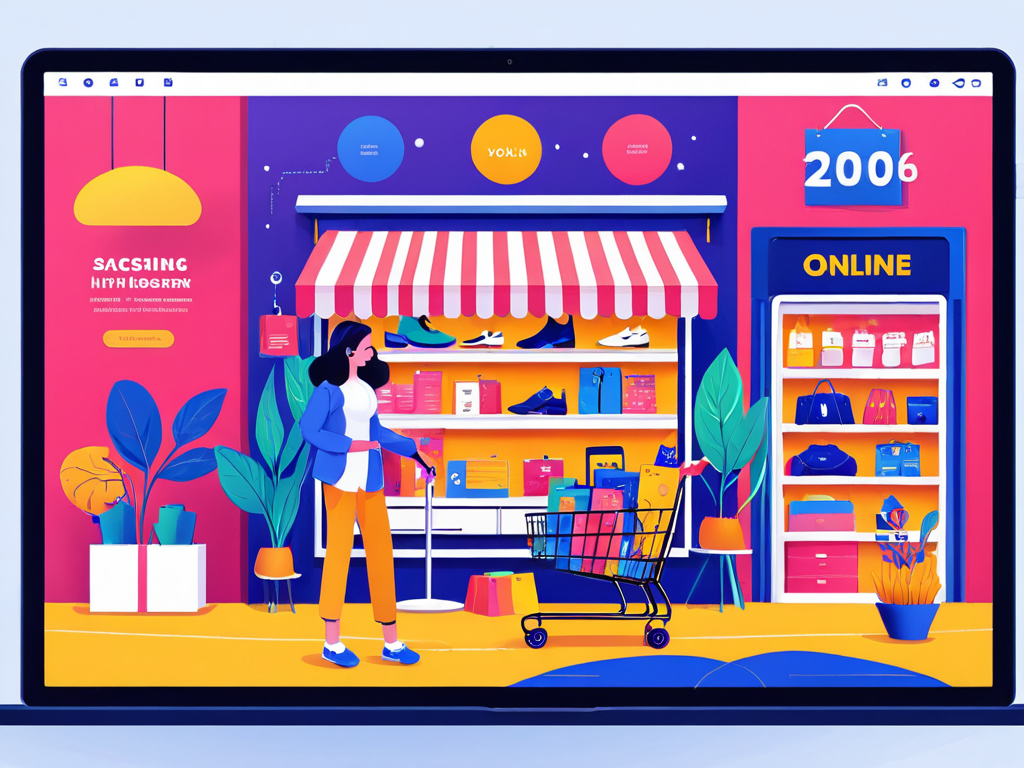
With the rise of e-commerce, more and more businesses are turning to online stores as their primary sales channel. However, starting an online store can be daunting, especially for small businesses with limited budgets. In this article, we‘ll explore how to start a successful online store in 2026 with minimal investment
Defining e-commerce in 2026
The world of e-commerce has come a long way since its inception, with the COVID-19 pandemic being a significant catalyst for growth in recent years. As we move forward into 2026, it’s essential to understand what e-commerce means and how it impacts businesses.
Photo by Julio Lopez on Pexels
e-commerce refers to the buying and selling of goods or services through digital channels. This can include online stores, social media platforms, and other digital marketplaces where customers can engage with products and services remotely. With the rise of technology and social media, e-commerce has become an integral part of modern business, offering a wide range of benefits for both consumers and businesses.
Types of Online Stores
There are several types of online stores that cater to different customer needs and preferences. One popular type is the Business-to-Consumer (B2C) store, which allows customers to purchase products directly from the company. Another type is the Business-to-Business (B2B) store, where businesses can buy products or services from other companies.
Another important type of online store is the Consumer-to-Consumer (C2C) store, also known as peer-to-peer marketplaces. These platforms enable individuals to sell goods and services to each other directly. Examples of C2C stores include eBay and Etsy, where users can buy and sell unique products.
Another growing type of online store is the Subscription-based model, which offers customers access to exclusive content, products, or services in exchange for a recurring fee.
The Rise of Social Commerce
Social commerce has become increasingly popular over the years as more and more people shop on social media platforms. This type of e-commerce allows customers to discover new products and services through social media channels, making it easier than ever to shop online.
Setting Up Your Online Store
Starting an online store can be a daunting task, but with the right guidance, you can set up a successful e-commerce platform in no time.
Photo by Markus Winkler on Pexels
Registering a domain name is the first step in setting up your online store. The platform provides various tools to help you register and manage your domain name, including Quixess offers intuitive domain name registration services that make it easy to secure your desired web address.
Choosing a Payment Gateway
A payment gateway is essential for processing transactions on your online store. PayPal and Stripe are two popular options that provide seamless payment processing and reliable security measures.
PayPal provides a range of features, including one-click payments, subscription management, and customer support.
Stripe offers advanced payment processing capabilities, including multi-currency support, subscription billing, and enterprise-grade security measures.
Both PayPal and Stripe offer flexible pricing plans to accommodate businesses of all sizes. The platform provides a range of tools and resources to help you choose the best payment gateway for your online store, ensuring a smooth and secure transaction process for your customers.
Additional Considerations
In addition to registering a domain name and choosing a payment gateway, there are several other factors to consider when setting up your online store. These include selecting a reliable web hosting service, setting up shipping and logistics options, and creating high-quality product listings.
The platform provides expert guidance and resources to help you navigate these complex tasks and set up a successful e-commerce platform that meets your business needs.
Managing Your Online Store’s Operations
As your online store grows, it’s essential to focus on managing its operations effectively. This includes handling inventory management and order fulfillment efficiently.
Photo by cottonbro studio on Pexels
Inventory Management Tips
Proper inventory management is crucial for maintaining a healthy stock level, reducing waste, and minimizing losses due to expired or damaged products. Here are some tips to help you manage your inventory more effectively:
Implement a first-in, first-out (FIFO) system: This ensures that the oldest items are sold or used before newer ones.
Use a barcode scanner or RFID tags to track inventory levels in real-time.
Conduct regular inventory audits to identify slow-moving or dead stock.
Order Fulfillment Best Practices
Efficient order fulfillment is critical for delivering excellent customer service and maintaining a positive online reputation. Here are some best practices to follow:
Fulfill orders within 24-48 hours of receipt: This sets high expectations for your customers and helps build trust.
Use a reliable shipping carrier: Choose a reputable carrier that offers fast and accurate delivery options.
Provide tracking information: Keep customers informed about the status of their orders to reduce anxiety and dissatisfaction.
Conclusion
By following these steps and tips, you can start a successful online store in 2026 with minimal investment Don’t forget to track your key metrics and scale your business for maximum success Get started today with Quixess and take your e-commerce business to the next level

 After Shave Balm 100 ml
1 × $39.75
After Shave Balm 100 ml
1 × $39.75  Cologne Spray 50 ml
1 × $13.96
Cologne Spray 50 ml
1 × $13.96  Organic Cotton Buds
1 × $9.99
Organic Cotton Buds
1 × $9.99  Dry Toothpaste
2 × $12.99
Dry Toothpaste
2 × $12.99  Bright Clown Shoes
1 × $22.63
Bright Clown Shoes
1 × $22.63  Body Scrub Brush
1 × $22.99
Body Scrub Brush
1 × $22.99  Body Care Set
1 × $35.99
Body Care Set
1 × $35.99  The Mountain Adult Helmet Mask
1 × $44.16
The Mountain Adult Helmet Mask
1 × $44.16